Understanding the mathematical advantage built into casino gaming is essential for anyone looking to optimize their overall strategy. Known as the house edge, this statistical metric represents the percentage of each wager that the venue expects to retain over time. By comparing different titles, players can easily identify which games offer the most favorable odds and make more informed decisions when spending their bankroll.
Blackjack Offers Unmatched Odds for Skilled Players
Blackjack consistently ranks among the best options for players seeking a minimal mathematical disadvantage. When basic strategy is executed correctly, the house advantage can drop below one percent. This makes card games of this nature a top choice for strategic players looking to stretch their gaming sessions.
Variations in specific table rules, such as payout ratios for natural blackjack and dealer soft-seventeen rules, can slightly alter these figures. Choosing tables with liberal rules ensures that players retain the highest possible theoretical return. Many enthusiasts research platforms like m88 login alternatif to compare game parameters and practice optimal strategies before wagering real funds.
Baccarat Provides Low-Maintenance Efficiency
Baccarat is renowned for offering straightforward gameplay coupled with exceptionally competitive odds. Bets placed on the banker hand carry a house edge of just over one percent, even after factoring in the standard five percent commission. The player bet is only slightly higher, keeping the overall margin remarkably low across basic options.
However, players should generally avoid side wagers and the tie bet, which features a house advantage exceeding fourteen percent. Sticking to the main banker or player outcomes maintains optimal efficiency and preserves player equity over extended sessions. This simplicity makes baccarat a staple for risk-conscious table game players.
Evaluating Craps and Dice Advantage
Craps presents a unique blend of high-odds opportunities and dangerous proposition wagers on a single layout. Standard line bets like Pass Line and Don't Pass Line feature a modest edge of around 1.4 percent. Furthermore, taking odds behind these line bets carries zero house margin, significantly lowering the overall statistical burden on the player.
Conversely, single-roll proposition bets placed in the center of the table can carry margins upwards of ten to fifteen percent. Avoiding these high-risk bets is key to maintaining a favorable expectation at the craps table. A disciplined approach to dice games allows players to enjoy high excitement while keeping the mathematical odds reasonable.
Roulette Wheel Variations Matter Greatly
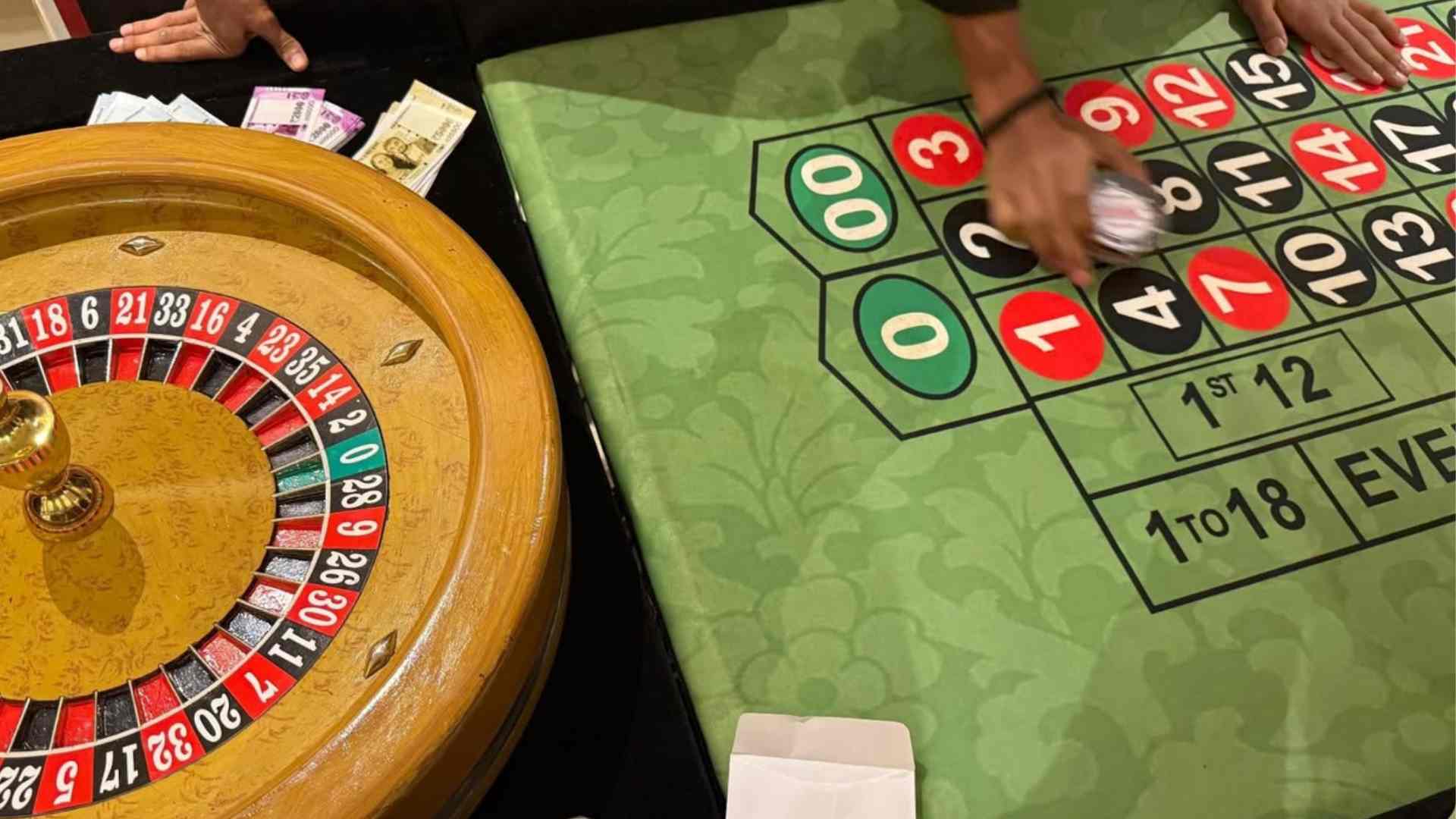
The house advantage in roulette varies drastically depending on the physical or digital wheel layout being used. European roulette features a single zero, yielding a standard house margin of 2.7 percent on all main bets. American wheels add a double zero, which nearly doubles the mathematical edge to 5.26 percent.
Selecting European or French rules whenever possible is a vital rule for minimizing long-term losses in wheel games. French variants featuring special rules like La Partage can lower the margin on even-money bets down to 1.35 percent. Recognizing these structural differences directly influences overall session profitability and longevity.