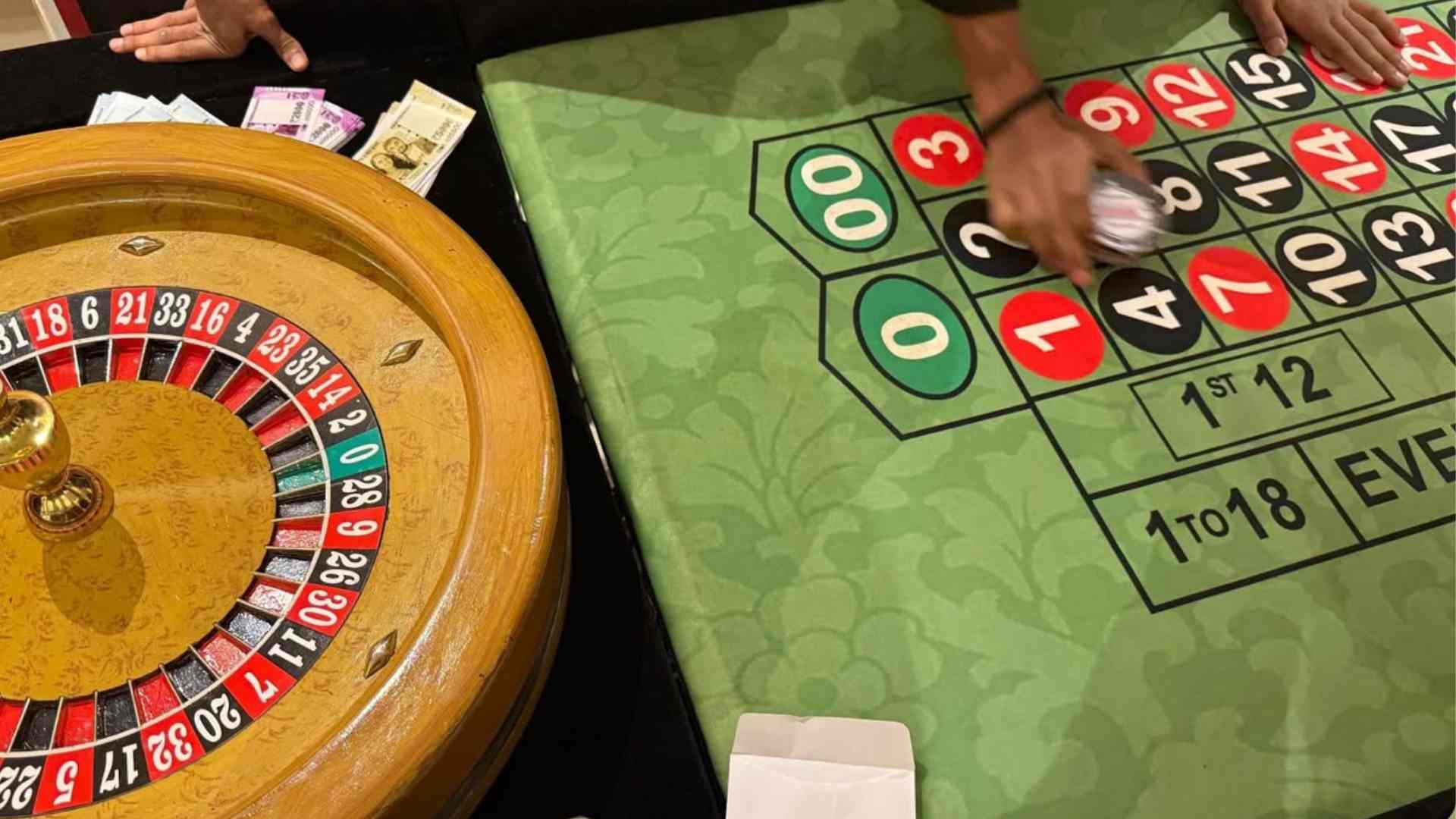
Modern video game design relies heavily on psychological incentives to keep players engaged in vast digital worlds. By combining variable reinforcement schedules with player behavioral analytics, developers can craft highly tailored progression loops. This strategic evolution shifts interactive entertainment away from generic milestones toward deeply individualized player campaigns.
The Psychology of the Variable Reward
Unpredictability is a powerful mechanism that naturally drives long-term digital interaction and boosts player immersion. When a system provides unexpected outcomes instead of static milestones, it triggers a heightened emotional investment. This design strategy successfully taps into a fundamental human fascination with surprise and discovery.
By understanding how different player demographics react to variable mechanics, creators can build healthier gameplay loops. A well-crafted structure balances deterministic accomplishments with elements of chance to prevent early player burnout. This thoughtful equilibrium ensures that virtual spaces remain highly captivating for casual and hardcore audiences alike.
Tailoring Journeys Through Data Analytics
Modern gaming architectures increasingly track individual player choices to adjust gameplay elements in real time. Adaptive systems analyze custom interaction histories to determine the perfect moment for dropping specific random bonuses. This innovative approach ensures that no two modern gaming experiences look identical to the participants.
Personalized mechanics help bridge the gap between static content progression and individual pacing preferences. Gamers looking to learn about alternative digital entertainment styles can check out m88 alternatif to analyze diverse platforms. By tailoring reward distributions, digital platforms maintain trust and build deeper long-term community loyalty.
Balancing Skill and Algorithmic Surprise
Building a successful reward ecosystem requires ensuring that player agency still feels highly meaningful. If a game relies entirely on pure probability, players may feel their actual skills are being overshadowed by luck. Therefore, modern systems often anchor unexpected bonuses directly to complex, skill-based digital achievements.
This hybrid methodology guarantees that surprise items serve as amplifiers for a player's core in-game progression. When an unexpected drop rewards a difficult logical breakthrough, it creates an unforgettable entertainment milestone. Consequently, balancing mathematical randomness with clear skill challenges remains a top priority for modern game developers.
The Future of Dynamic Reward Systems
As machine learning models become more sophisticated, personalized player journeys will continue to evolve rapidly. Future interactive environments will likely adapt their entire economic systems to support individual play styles. This shift guarantees that surprise mechanics will remain highly relevant in next-generation digital products.
Ultimately, the fusion of personalized analytics and variable outcomes reshapes how players connect with virtual worlds. When implemented transparently, these modern architectures enhance replayability and promote continuous entertainment. The industry moves toward a future where every single gameplay loop feels uniquely crafted for the individual.