Maintaining peak mental focus throughout competitive Mobile Legends matches is a challenging task that separates elite players from the average crowd. With intense team fights and rapid tactical shifts happening simultaneously, even a minor lapse in concentration can quickly turn a guaranteed victory into a sudden defeat. Developing actionable routines and cognitive habits allows competitors to control their decision-making processes and remain highly impactful from the first draft pick until the enemy base finally falls.
Optimizing Minimap Evaluation Habits
Consistently checking the minimap is the most effective way to eliminate autopilot tendencies and maintain high situational awareness during active gameplay. Experienced competitors condition themselves to glance at the map balance every few seconds to track enemy rotations and predict dangerous ambush attempts. This active tracking routine transforms passive reaction times into highly structured, proactive strategies that constantly catch opponents out of position.
Predicting the movement path of an aggressive enemy jungler allows your teammates to adjust their laning positioning safely or commit to a counter-gank at the perfect opportunity. It also ensures that your frontline tanks are properly positioned to check high-risk bushes before main damage dealers walk into potential traps. Ultimately, structured map habits form the psychological foundation required to execute top-tier tactical choices under extreme pressure.
Managing Emotional Volatility During Loss Streaks
Ranked match ladders naturally introduce volatile environments that can quickly cause psychological fatigue and severe mental tilt. When a match begins to break down due to poor drafts or uncoordinated teammates, maintaining a calm and objective perspective prevents you from making reckless, high-risk plays. Recognizing that every match operates as an independent event helps players reset their expectations and approach the next battle with a clean slate.
Taking short, disciplined breaks between stressful gameplay sessions prevents emotional exhaustion from carrying over into subsequent games. A clear mind allows you to evaluate your own mechanical performance honestly rather than projecting frustration onto external matchmaking variables. Prioritizing long-term personal skill development over immediate star counts remains the healthiest way to sustain high competitive energy.
Executing Strategic Objective Prioritization
Many uncoordinated teams completely lose their tactical advantages by chasing unnecessary kills across the map instead of locking down permanent structural objectives. Focusing your team's collective damage on securing turrets, the Turtle, and the Lord establishes a highly sustainable path toward map dominance. These objective rewards provide essential gold and experience boosts that naturally pressure the opposing lineup into making fatal mistakes.
Systematically destroying outer enemy structures severely restricts their safe farming zones and cuts off their access to jungle resources. A disciplined competitor understands that securing map control carries far more value than maintaining a flashy individual performance rating. Keeping your primary focus locked onto core structures ensures that your economic lead grows securely as the late-game phase approaches.
Adapting Item Builds to Game Progression
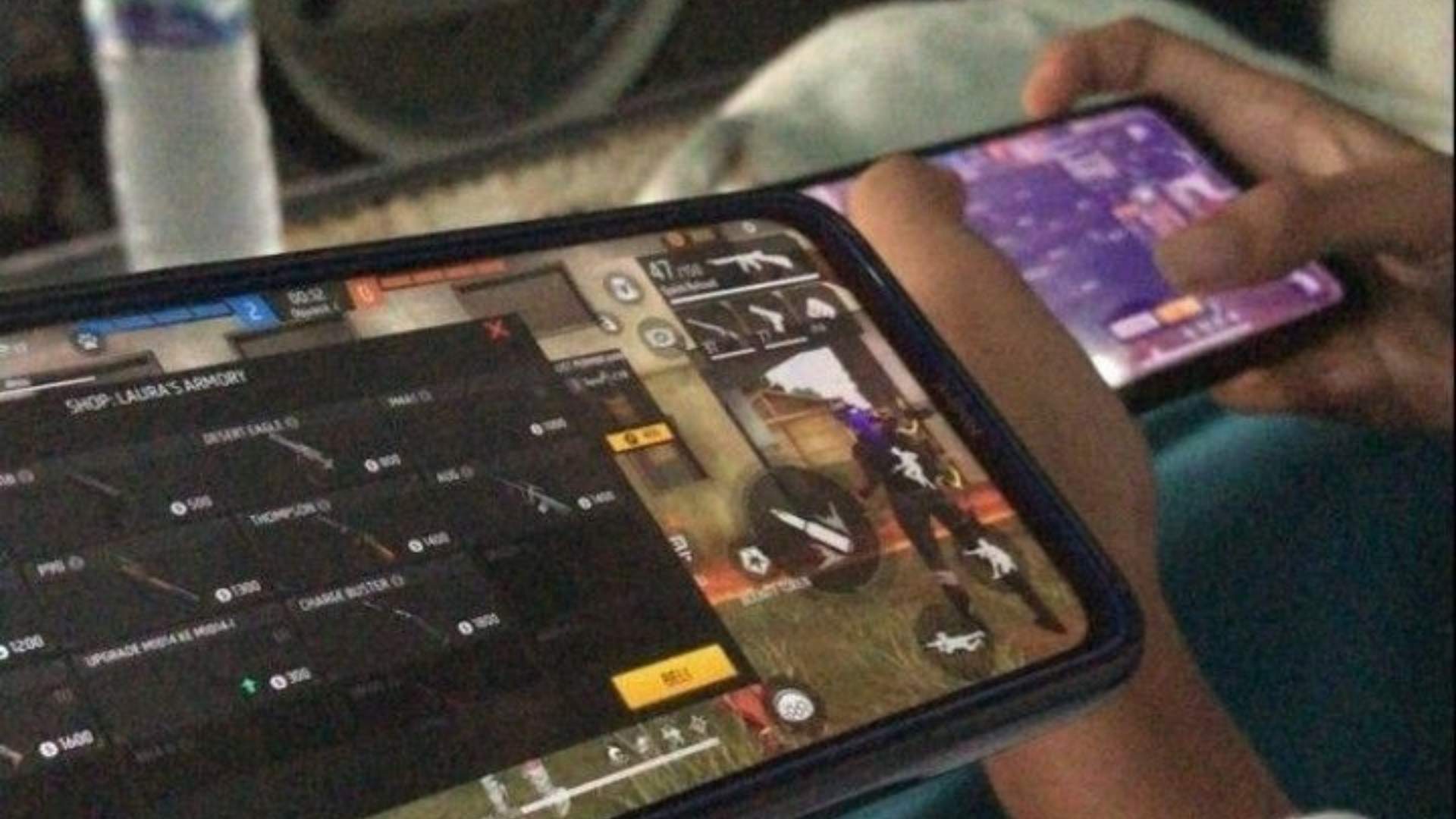
Blindly following a pre-saved, static equipment build pathway in every game is a dangerous habit that heavily caps a player's strategic versatility. Continually opening the shop interface to evaluate the opposing team's current items allows for highly effective counter-building adjustments. Integrating defensive armor early against a highly snowballing physical threat can completely change the outcome of the next major team fight.
Understanding exact item synergies helps players maximize their selected hero's core strengths while minimizing structural weaknesses in their team composition. This flexible approach to equipment management forces you to think critically about how your stats interact with the current match state. Embracing situational building separates analytical masters from casual players who rely purely on basic mechanical memory.