In a fast-paced world dominated by instant digital entertainment, traditional tabletop activities offer a highly effective way to exercise our minds. Engaging in structured table games challenges our brains to think steps ahead, recognize patterns, and make calculated decisions based on probability. These classic activities do not just pass the time; they serve as an enjoyable workout that sharpens our cognitive pathways and improves everyday problem-solving skills.
The Mathematical Precision of Classic Chess
Chess stands as the ultimate arena for developing structured thinking and long-term foresight. Each match requires a player to analyze the opponent's potential moves while simultaneously defending their own pieces on the board. This constant calculation of cause and effect naturally strengthens spatial awareness and objective decision-making under pressure.
Furthermore, the game teaches valuable lessons in patience and consequence, as a single hasty move can disrupt an entire strategy. By practicing this ancient game regularly, players can significantly improve their ability to organize complex information and solve real-world problems systematically.
Tactical Deduction in Modern Board Games
Modern tabletop gaming has evolved to include highly sophisticated strategy games that require deep critical thinking and resource management. Players must weigh risk against reward, adapt to unexpected variables, and coordinate efforts to achieve specific goals. This dynamic environment encourages players to look past immediate outcomes and focus on long-term victory conditions.
Many of these modern titles also incorporate hidden information and negotiation, adding a layer of psychological analysis to the logical framework. Navigating these complex social and strategic systems helps players develop a more versatile approach to handling complex situations in daily life.
Probability and Risk Management in Card Games
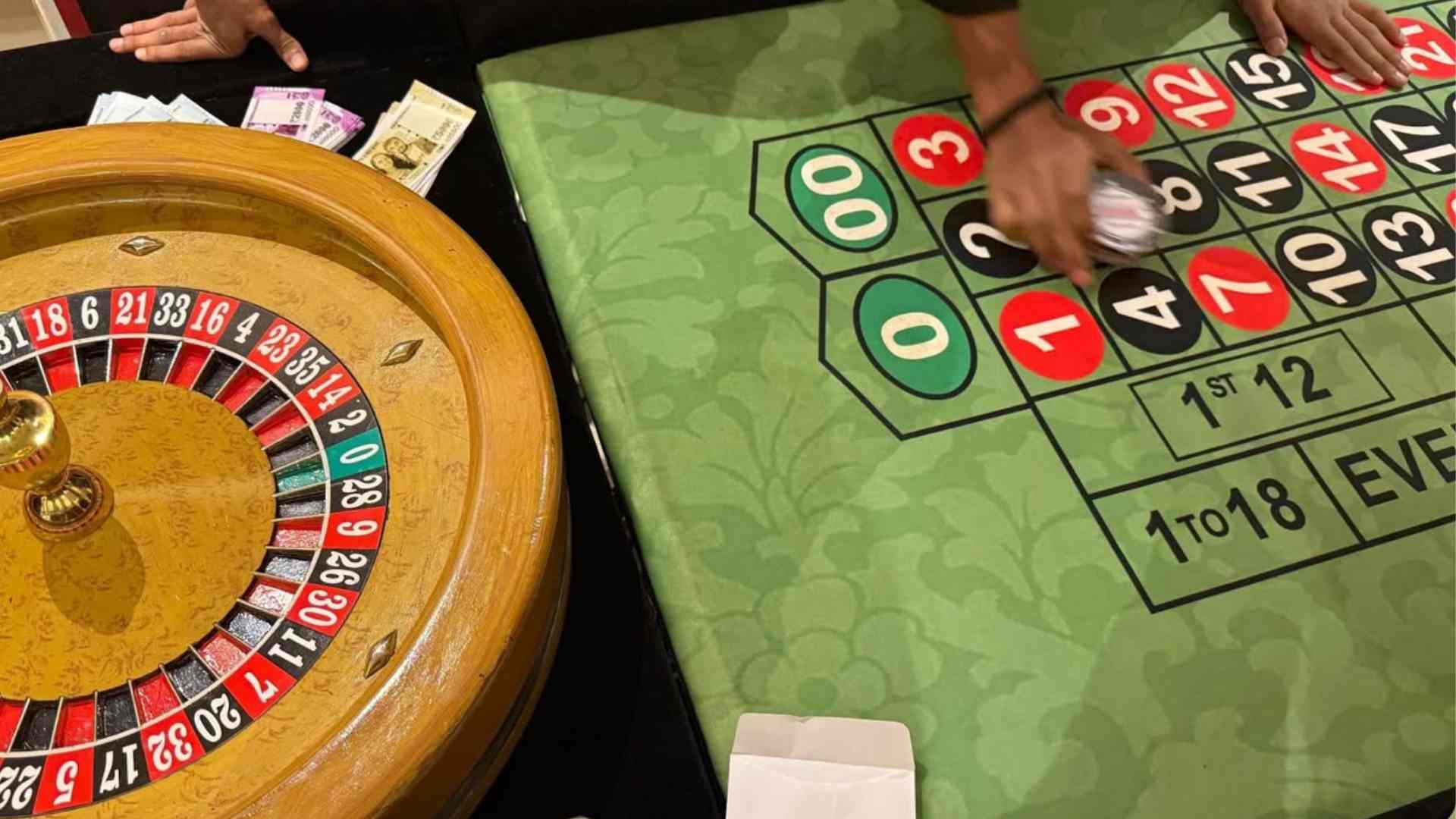
Classic card games provide an excellent platform for understanding probability, risk assessment, and decision-making under uncertainty. Players are forced to calculate their odds of success based on incomplete information, which mirrors many practical challenges found in professional environments. Learning when to hold back and when to take a calculated risk is a core component of mastering these card tables.
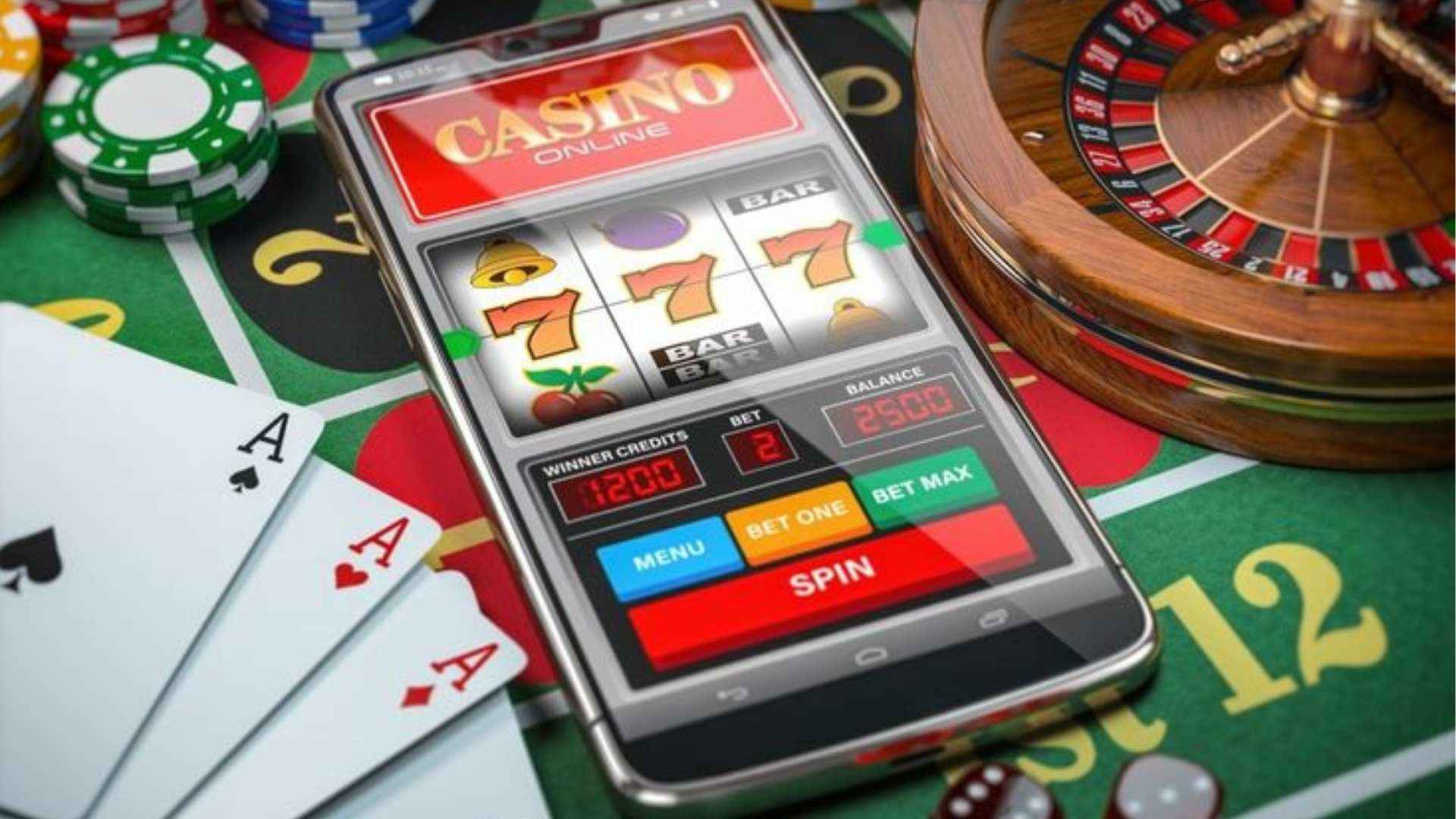
For those looking to transition their strategic skills to interactive online formats, finding a trusted platform is key. Many enthusiasts utilize the m88 alternatif portal to explore secure, high-quality environments that offer a variety of classic gaming challenges. Engaging with these games mindfully can help players sharpen their mental math and emotional discipline over time.
Developing Spatial Reasoning Through Tile Games
Tile-based and abstract strategy games offer another fantastic method for enhancing cognitive flexibility and spatial logic. These activities require players to manipulate geometric shapes, manage physical spaces, and block their opponents' progress systematically. By focusing on visual patterns and spatial organization, players exercise different regions of the brain compared to typical text-based puzzles.
Regular participation in tile-matching challenges keeps the mind agile and improves overall mental processing speed. Whether played casually with family or in a competitive setting, these games provide a well-rounded mental workout that benefits players of all ages.